
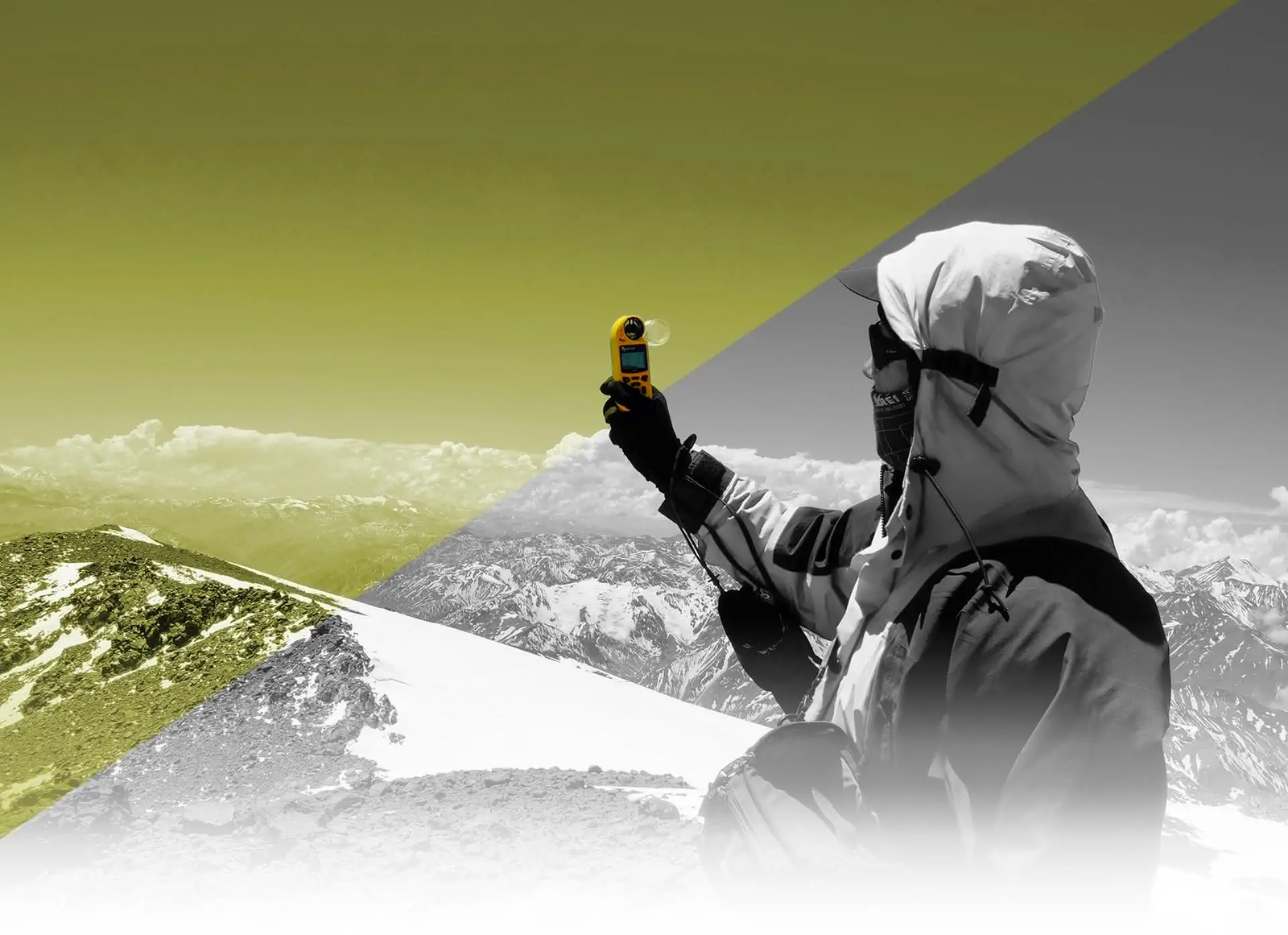
Exploring the boundaries of nature can be exhilarating – and unpredictable. When you come to play or perform in the great outdoors, the weather conditions are often critical to success or safety. Whether enjoying a family hike or pushing yourself to the limits, you need equipment that can keep up with you – a rugged Kestrel Weather & Environmental Meter is the ideal companion to provide valuable guidance for any outdoor adventure.
Get the Most Out of Your Outdoor Experience
Weather can greatly influence on the success and safety of any outdoor activity – mother nature changes course and suddenly your plans are in jeopardy. Weather conditions determine what we wear, how far and where we can venture, what equipment we’ll need and how long we can safely brave the elements. Don’t trust your outdoor adventures to a far away meteorologist – get true local conditions accurately measured where they count with a pocket-sized Kestrel meter or logger.
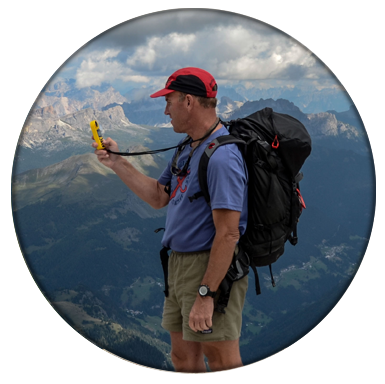
Backpacking, Camping, Climbing, Hiking, Mountaineering & Expeditions
If you’ve spent any time outdoors, you know that Mother Nature can be unpredictable and the weather can change at the drop of a hat. It’s important to monitor the weather to ensure that you aren’t caught unprepared. Kestrel Meters are ideal for just that – slip one in your pack and you have a pocket-sized meteorologist traveling with you. Barometric pressure and dewpoint help to predict weather trends; wind chill and heat stress index measurements warn of dangerous conditions for long-term exposure. Research expeditions also need a simple, reliable, light weight tool to log conditions. Kestrel meters have been to the top of Everest, the North and South Poles, and virtually everywhere in between. Take one on your next trip.
Skiing, Snowboarding, Snowmaking, Avalanche Control, Search & Rescue
Snow conditions can change by the minute. All Kestrel Meters feature an external temperature sensor making snow temperature measurement as simple as sticking the unit right into the snow pack. Set up a Kestrel to track conditions relating to snowmaking right where the equipment is operating. Equip ski patrol with a Kestrel to provide condition reports from all areas of the mountain.
Avalanche and search & rescue teams need to quickly and accurately assess the conditions wherever they’re working. A Kestrel Meter allows ground crews to report the density altitude and ground conditions to the rescue helicopters for safe evacuations. Working dog handlers can make use of Kestrel Meters to monitor the wind speed, temperature and humidity conditions and keep their dogs working safely and effectively.
Sailing, Wind Surfing & Kiteboarding
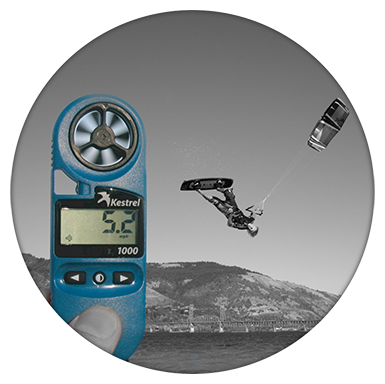
The Kestrel is ideal as an on-board weather station for both large and small craft. Use a Kestrel 1000 to assess wind speeds and sail setup, or step all the way up to the Kestrel 5500 to monitor all weather conditions. Automatic data storage and on-screen barometric pressure trend graphs make it easy to track developing storms. Every Kestrel is completely waterproof, so you don’t have to worry about dropping it overboard.
For other water-based activities, you need to know the wind speed right where you are wind surfing or kite boarding. Plus, the Kestrel 2000 and higher let you measure air and water temperature. The Kestrel plays as hard as you do – it’s completely waterproof, and has a sturdy slip-on cover.
Canoeing, Kayaking, Paddling, Rowing, SUP
Avid paddlers like to know the wind speed and water temperature, and the Kestrel is the perfect tool. Paddle guides love to be able to answer their clients’ questions about just how strong that wind is they’re paddling into. Tie a 3-ounce Kestrel onto your life vest and know the facts wherever you paddle. Every Kestrel is compact, light and waterproof – there’s no need to be a weather guesser.
Motorsports, Drag racing
Even slight fluctuations in weather conditions like temperature, humidity, barometric pressure and density altitude can affect your car’s performance. Kestrel Weather Meters provide quick, accurate information to help you decide what changes need to be made, before even making a lap around the track or a pass down the drag strip. Portable and easy-to-use, Kestrels give racers and pit crews relevant data to gain that competitive edge at a fraction of the cost of other systems currently on the market.
In pits around the country, racers have been trading in their bulky and expensive weather monitoring stations in favor of the portable Kestrel 5100 Racing Weather Tracker.
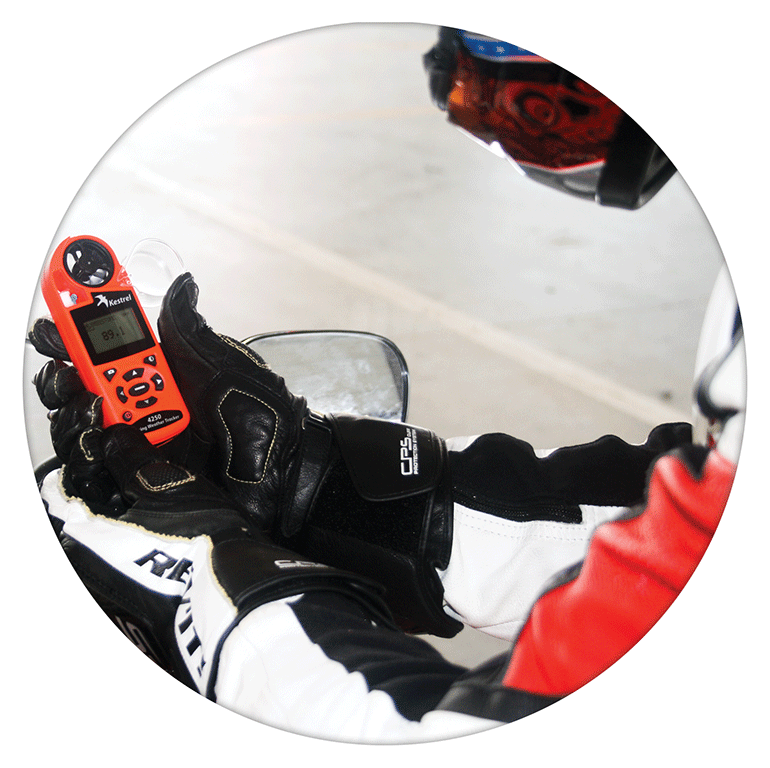
The Kestrel 5100 Racing Weather Tracker is the next generation of weather monitoring. It measures every environmental condition with unrivaled ease and accuracy — and all in a cell-phone sized package. Temperature, humidity, barometric pressure, and density altitude are all continuously measured, and data is stored either manually or automatically. A 1600-point data log lets you keep track of the conditions for each race day, and the optional computer interface lets you upload all the data to your PC or laptop — making long-term storage, in-depth analysis, and detailed charting of stored data a breeze.
Heat Stress Safety - Athletics
Preventing exertional heat stress in athletics has become an important responsibility of many athletic trainers, coaches and other sports-related health-care providers. At every athletic endeavor, from little league through professional sports and adventure racing, lives depend on the accurate measurement of environmental conditions such as temperature, relative humidity, heat stress index, wet bulb temperature, wet bulb globe temperature (WBGT) and several other environmental parameters. An affordable, accurate Kestrel Heat Stress Tracker and tripod-mounted vane make up the most capable heat stress monitoring station available. And for track and field events, you get the added bonus of having a full-fledged wind monitor as well
Aviation - Backwoods, Ultralights, Helicopters, Gliders, Hang Gliders, Paragliders, Ballooning, Drones, RC Aircraft
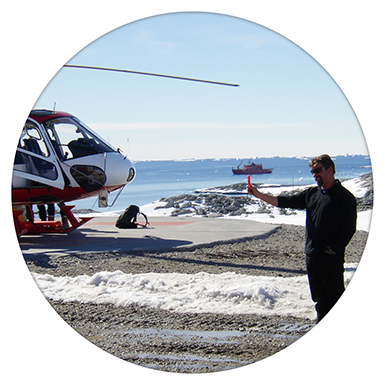
Whether you fly a private plane, small helicopter, ultralight or glider, it’s critical to know the weather when taking off and landing. Pilots who fly into remote locations will particularly appreciate the Kestrel 5500 with crosswind, headwind, wind speed, wind direction, altitude, barometric pressure and density altitude readings all from one handheld device. Hang gliding, paragliding, parachuting and ballooning all are influenced heavily by one thing – the wind. And even when you’re piloting from the ground, drones and RC aircraft can be irreparably damaged by misjudged winds. Be safe and protect your investment with wind measurements to 3% accuracy at your exact takeoff or landing location or drop zone with a Kestrel wind meter. The large replaceable impeller ensures accurate readings, and the waterproof case and slip-on cover ensure your investment will last for years of flights.